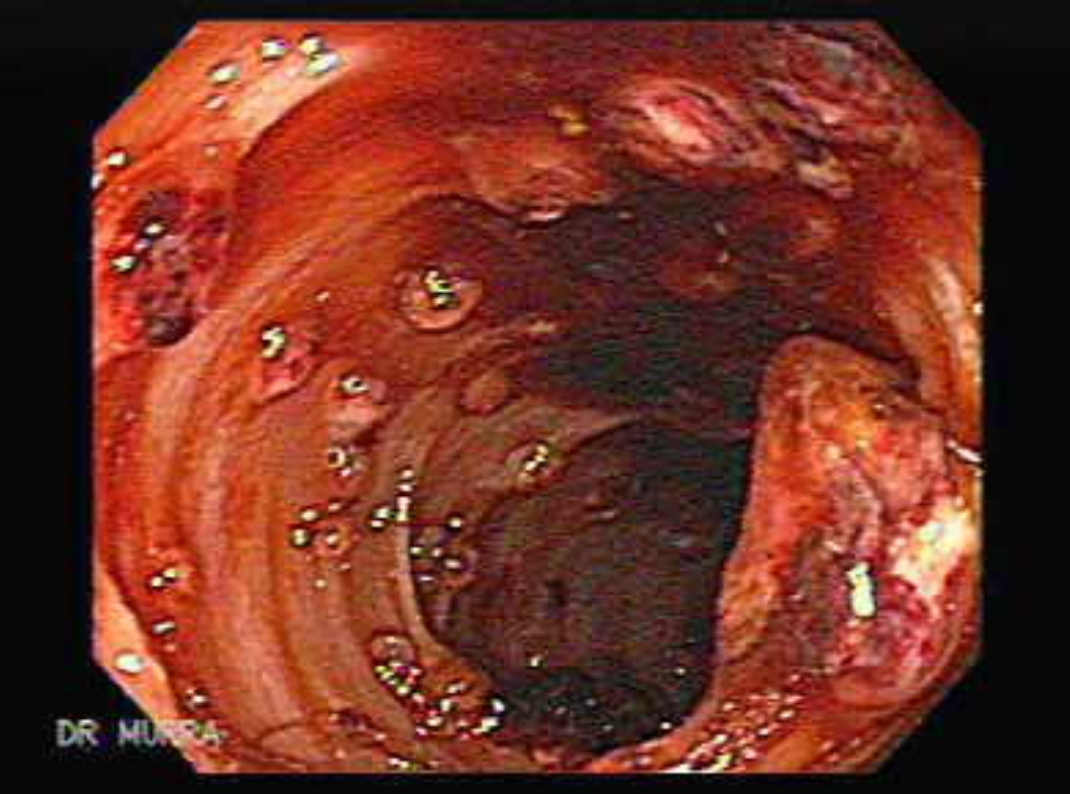
1. Acute Constipation
Description: Sudden onset of constipation, often short-term.
Causes:
Dietary changes (low fibre, inadequate hydration).
Lack of physical activity.
Side effects of medications (e.g., opioids, antacids).
Stress or travel.
Symptoms: Infrequent bowel movements, straining, hard stools.
2. Chronic Constipation
Description: Long-term constipation lasting for weeks or more.
Causes:
Chronic dehydration or poor diet.
Sedentary lifestyle.
Underlying medical conditions (e.g., hypothyroidism, diabetes, irritable bowel syndrome).
Neurological disorders (e.g., Parkinson’s disease, multiple sclerosis).
Symptoms: Persistent difficulty passing stools, bloating, abdominal discomfort.
3. Functional Constipation
Description: Constipation without an identifiable physical or structural cause.
Causes:
Dysfunction in the colon or rectum.
Pelvic floor dysfunction.
Slow transit of stool through the colon.
Symptoms: Infrequent stools, straining, sensation of incomplete evacuation.
4. Secondary Constipation
Description: Constipation caused by an underlying medical condition or medication.
Causes:
Medications (e.g., opioids, anticholinergics, calcium channel blockers).
Metabolic or endocrine disorders (e.g., hypothyroidism, hypercalcemia).
Structural issues (e.g., tumors, strictures).
Symptoms: Similar to chronic constipation, but linked to a specific cause.
5. Idiopathic Constipation
Description: Constipation with no clear cause, often resistant to treatment.
Causes: Unknown, but may involve abnormalities in the nervous system or intestinal muscles.
Symptoms: Severe and persistent constipation without an identifiable reason.
6. Travel-Related Constipation
Description: Temporary constipation caused by changes in routine during travel.
Causes:
Disruption in diet or hydration.
Lack of access to restrooms.
Stress or jet lag.
Symptoms: Infrequent bowel movements, discomfort.
7. Obstructive Constipation
Description: Constipation caused by a physical blockage in the intestines.
Causes:
Tumors, hernias, or scar tissue.
Impacted stool.
Symptoms: Severe pain, inability to pass stool or gas, bloating.
8. Pelvic Floor Dysfunction (Outlet Constipation)
Description: Difficulty evacuating stool due to improper coordination of pelvic floor muscles.
Causes:
Weak or uncoordinated pelvic muscles.
Rectocele or prolapse.
Symptoms: Straining, sensation of blockage, incomplete evacuation.
9. Lifestyle-Related Constipation
Description: Constipation caused by poor lifestyle habits.
Causes:
Low-fiber diet.
Inadequate fluid intake.
Lack of physical activity.
Symptoms: Hard stools, infrequent bowel movements.
10. Medication-Induced Constipation
Description: Constipation caused by certain medications.
Causes: Opioids, antacids, antidepressants, iron supplements.
Symptoms: Reduced bowel movements, hard stools.
11. Psychological Constipation
Description: Constipation linked to mental health issues.
Causes:
Anxiety, depression, or stress.
Fear of pain during bowel movements (common in
Symptoms: Avoidance of bowel movements, stool withholding.
12. Age-Related Constipation
Description: Constipation more common in older adults.
Causes:
Reduced mobility.
Side effects of medications.
Age-related changes in digestion.
Symptoms: Infrequent stools, straining.
13. Pregnancy-Related Constipation
Description: Constipation during pregnancy due to hormonal and physical changes.
Causes:
Increased progesterone levels.
Pressure from the growing uterus.
Symptoms: Difficulty passing stools, bloating.
14. Habitual Constipation
Description: Constipation caused by ignoring the urge to defecate.
Causes: Busy schedules or lack of access to restrooms.
Symptoms: Infrequent bowel movements, hard stools.